Ask me what makes daily life in the Vail Valley special and I'll point to the obvious things: the skiing, the rivers, the summers. But the answer I come back to most often is the one people overlook until they live here: the Eagle Valley Trail. It's a paved path that runs the length of the valley, and once you've used it for a morning ride or a walk to dinner, it's hard to imagine the valley without it.
A Paved Path from Vail Pass to Glenwood Canyon
When it's fully connected, the Eagle Valley Trail will run 63 paved miles from the top of Vail Pass all the way down to Glenwood Canyon, with a spur into Minturn from Dowd Junction. It has been a decades-long community vision, and we're nearly at the finish line: crews are now building the last stretch, about seven miles along the tight corridor between the Eagle River and Highway 6, the hardest section to engineer, with completion expected in the summer of 2026.
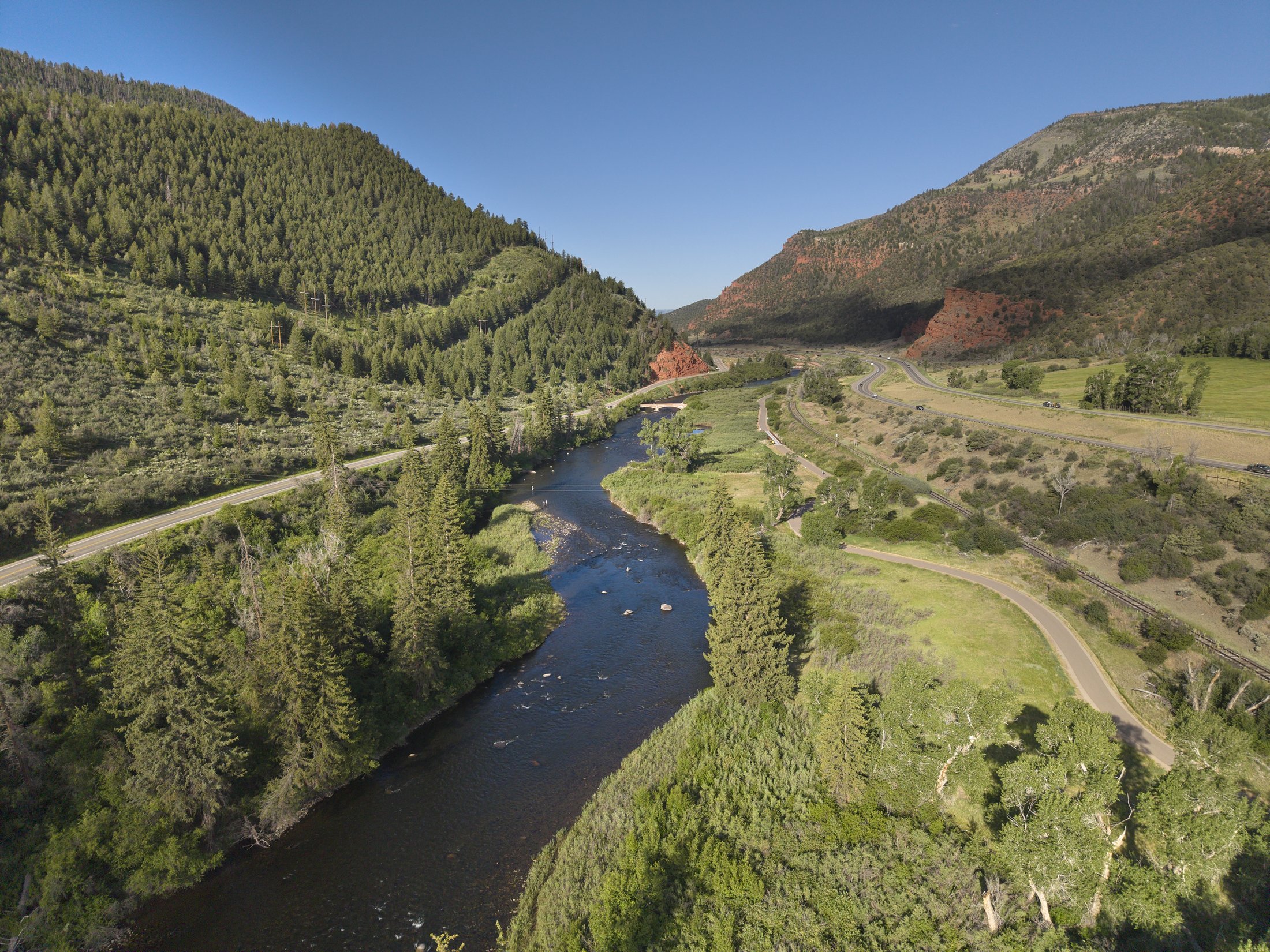
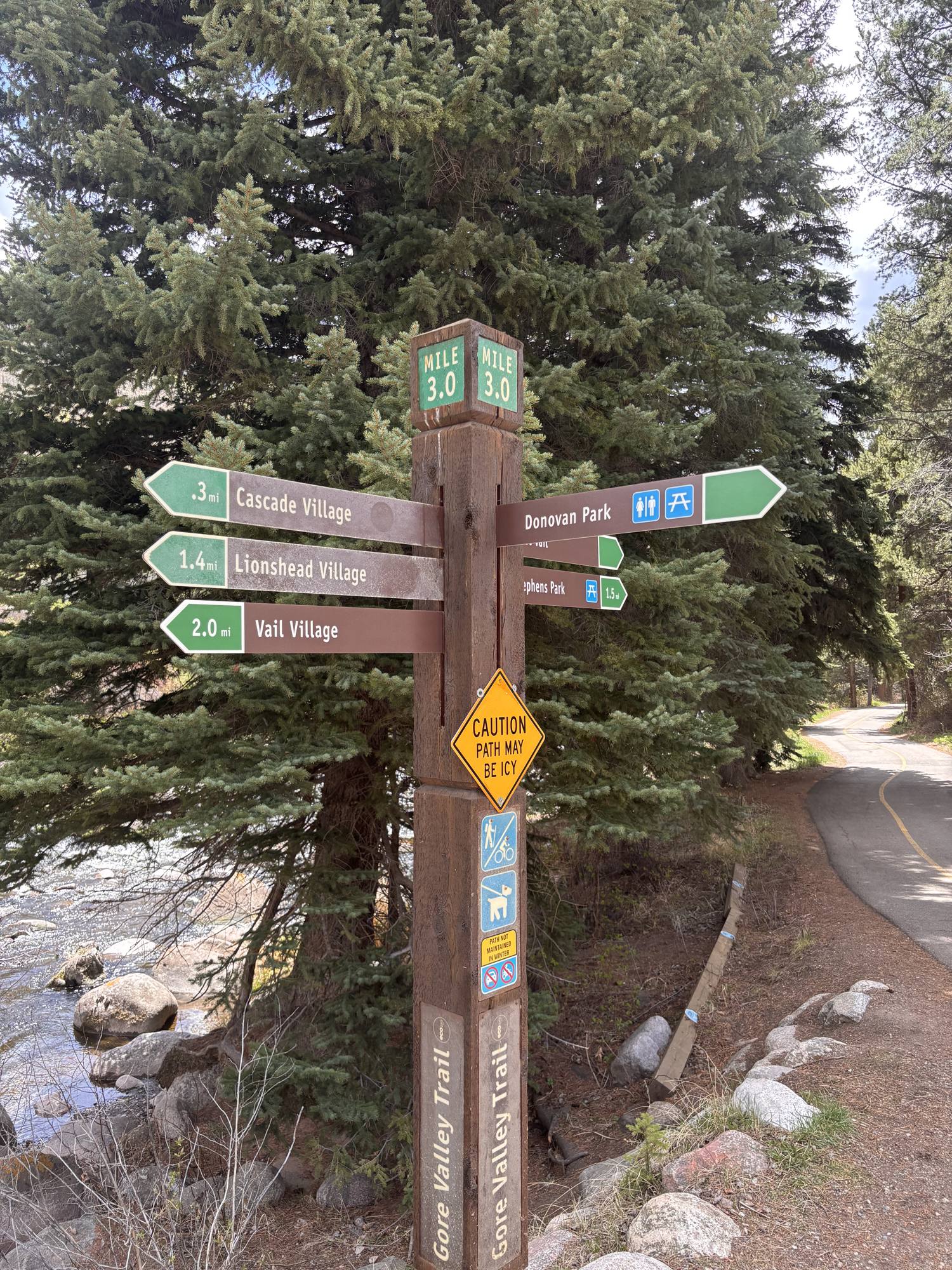
A Car-Free Connection Between Communities
What I love most is how the trail stitches the towns together. From a single path you can move between Vail's villages, down through Avon and Edwards, and out west to Eagle and Gypsum without ever touching the interstate. Families ride it to school and to the ballfields. Commuters use it to skip the I-70 shuffle. Visitors discover they can leave the car parked and still see the whole valley. That kind of connection is rare, and it changes how a place feels to live in.
Recreation for Every Season and Every Pace
The trail meets you wherever you are. Road cyclists log serious miles on it, but so do parents with a bike trailer, runners training for the next race, and retirees out for an evening stroll along the water. In the shoulder seasons, when the high country is too wet or too snowy, the path stays usable far longer than the mountain trails. And the scenery does most of the work, since much of the route follows the Eagle River and Gore Creek, past cottonwoods, footbridges, and open space.
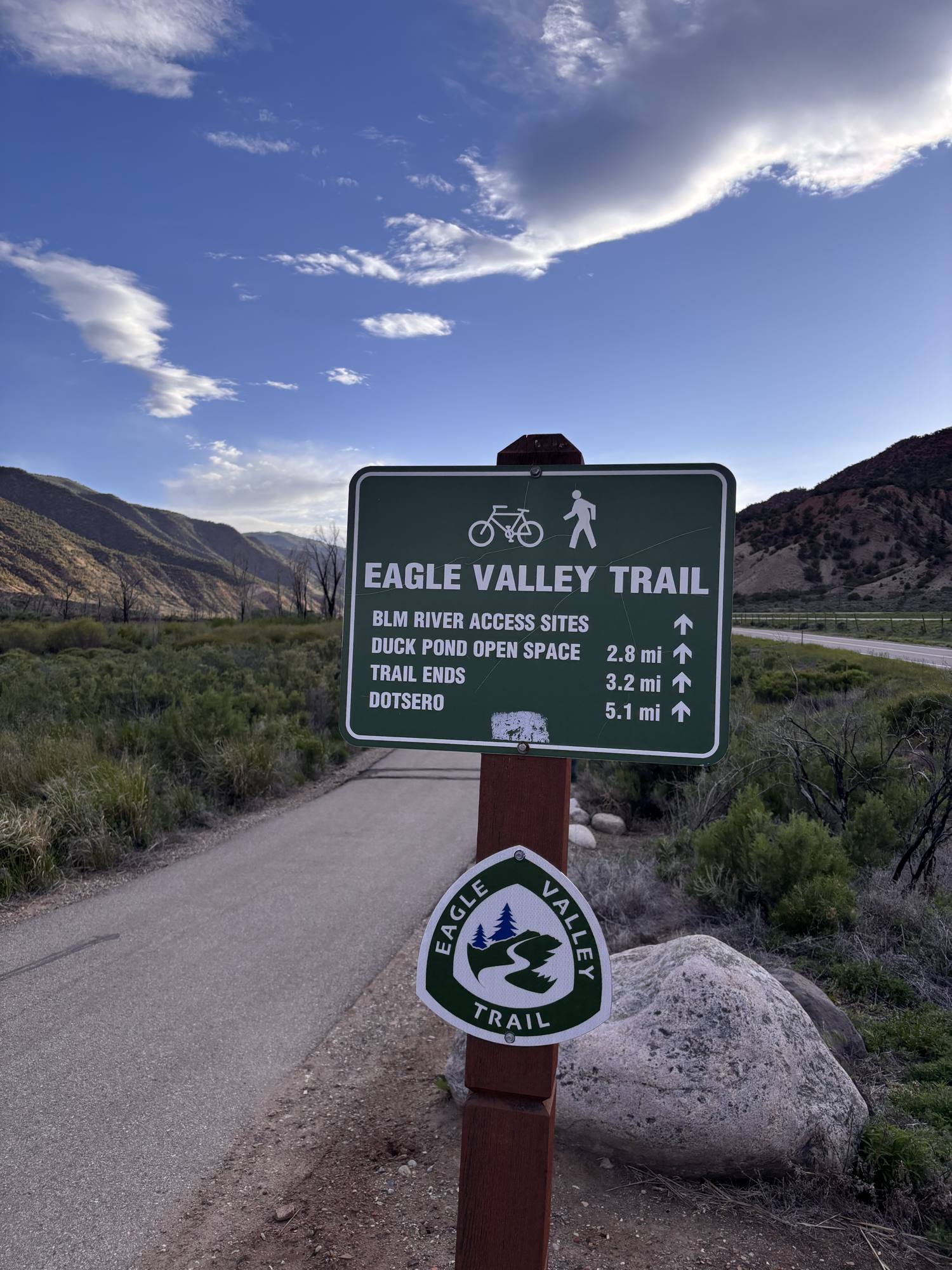
A Gateway to 140 Miles of Riding
The Eagle Valley Trail doesn't end at the county line, either. Once the final segment closes, it connects into the trail systems of neighboring counties, opening up more than 140 miles of continuous off-highway riding stretching from Breckenridge to Aspen. For a region built around the outdoors, that's a genuinely remarkable piece of infrastructure, and it puts the Vail Valley at the center of it.
What It Means for Your Home Here
I pay attention to the trail when I'm helping clients because buyers do. Proximity to a quiet path connection, an easy ride to the village, a safe route for the kids: these are the details that make a neighborhood feel like home rather than just an address. As the trail reaches full length, I expect that access to become an even bigger part of how people choose where to live in the valley. If a car-optional, active lifestyle is what you're after, it's worth factoring the trail into your search. I'm always glad to talk through which neighborhoods make the most of it.
Learn more: Eagle Valley Trail: maps, segments & project updates
Frequently Asked Questions
How long is the Eagle Valley Trail?
When fully connected, the Eagle Valley Trail is a 63-mile paved path running from the top of Vail Pass down to Glenwood Canyon, with a spur trail from Dowd Junction into Minturn.
Is the Eagle Valley Trail finished?
It's almost there. Construction on the final roughly 7-mile gap is underway. It's the toughest stretch, running along the narrow corridor between the Eagle River and Highway 6, with completion targeted for the summer of 2026.
What towns does the Eagle Valley Trail connect?
It links the full valley: Vail and its villages (via the Gore Valley Trail), Minturn on a spur, Avon, Edwards, Eagle, Gypsum, and Dotsero, all on a separated, non-motorized path.
Can you bike from Vail toward Aspen or Breckenridge on it?
Once the final segment is complete, the Eagle Valley Trail ties into neighboring trail networks, opening up more than 140 miles of off-highway riding between Breckenridge and Aspen.
Does being near the trail affect home values?
In my experience, yes. Direct or easy access to the path is a real lifestyle draw, and homes near trailheads and quiet path connections tend to hold strong appeal with buyers who want to live an active, car-optional life here.